Elegant, Simple Wedding Nail Ideas That Stay Timeless
7 min read ·
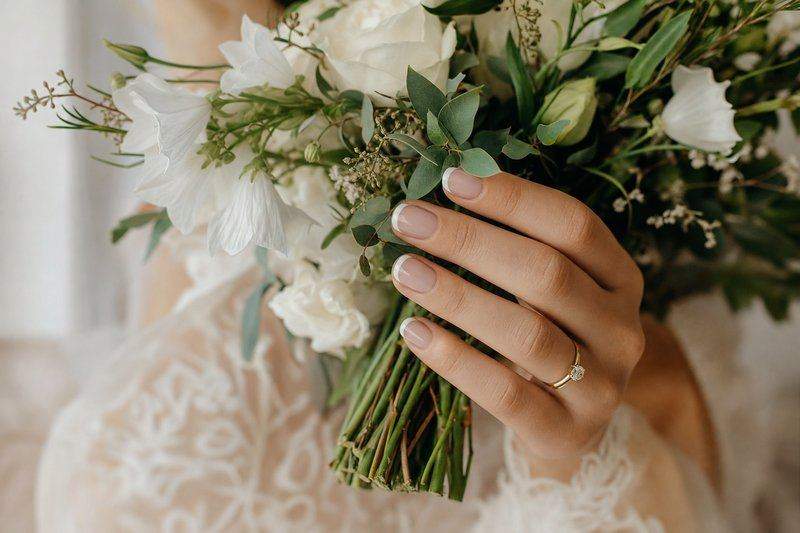
Wedding photos get looked at for decades, which is exactly why so many wedding nail ideas lean elegant and simple and stay clear of trend-driven. A bold, of-the-moment nail art style might look dated in five years; a clean french manicure or a soft nude won’t. This runs through a handful of timeless options, how to make sure they hold up through a full wedding day, and a few small details worth planning around.
Why Simple Usually Wins for Wedding Nails
A wedding is one of the few events where photos matter more than almost anything else the nails will do. Hands show up constantly, holding a bouquet, exchanging rings, cutting the cake, which means a busy or trend-heavy design has a lot of chances to look overdone in still photos. A simple, elegant design reads as intentional, not an afterthought, and it won’t compete with the ring itself, which is usually the actual focal point of most of those hand-shots.
The Classic French: Still the Most Timeless Option
The white-tip french manicure remains the single most requested wedding nail style for a reason: it’s elegant without being fussy, it photographs cleanly against nearly any dress color, and it doesn’t read as “trendy” in a way that dates a photo. A soft, sheer pink or nude base under a clean white tip is the most traditional version. For a slightly softer look, some brides opt for an ivory or cream tip instead of stark white, which blends a bit more gently with most wedding dress fabrics.
Soft Pearl and Milky Nail Finishes
A milky white or soft pearl finish, sometimes called a “milk bath” nail, has become a popular timeless alternative to the french manicure. It’s a single sheer, barely-there white or cream color applied over the whole nail, sometimes with a very subtle shimmer. It reads as elegant and simple without needing any linework at all, which makes it a low-effort option for anyone who wants understated wedding nails without extra planning.

Understated Floral and Line-Art Accents
For brides who want a small design element without going bold, a single delicate accent works well:
- One tiny hand-painted flower on the ring finger only, rest of the nails left a soft solid color
- A thin gold or silver line near the cuticle, echoing jewelry without competing with it
- A few small dots in a simple cluster, evoking baby’s breath or a scattered floral pattern without literal flowers
Keeping the accent to one nail (usually the ring finger) is what keeps this elegant and stops it going busy. The same motif repeated across all ten nails reads as far more dominant in photos than most brides actually want.

Nail Shape Matters as Much as Color
An oval or soft almond shape tends to photograph as more traditionally elegant than a sharp stiletto or squared-off edge, simply because it’s a softer silhouette that doesn’t draw attention to itself. Medium length is also worth considering over very long nails: long nails can make holding a bouquet, cutting a cake, or putting on a ring during the ceremony visibly more awkward, which shows up in candid photos even when it isn’t the point of the shot.
Coordinating Nails with Your Dress and Flowers
Simple wedding nails don’t need to match a color scheme exactly, but a little coordination helps everything photograph as intentional. A warm ivory or champagne dress usually pairs better with a soft nude or cream nail than a stark cool white, which can look mismatched against warmer fabric tones. If the bouquet includes a strong accent color, like deep burgundy roses or bright greenery, a single subtle nod to that color (a thin line, a small accent nail, or a barely-there tint in the base polish) ties the hands into the rest of the look without competing with the flowers for attention. Skin tone matters too: a sheer pink base generally looks more elegant against fair skin, while a warmer nude or soft caramel tone tends to read more naturally against deeper skin tones.
Bridesmaid Nail Coordination
For weddings where bridesmaids are getting their nails done together, the timeless approach works well as a shared baseline that still allows some individuality: everyone in the same simple shape and finish (say, a soft oval with a milky white or nude base), with the bride distinguished by one small extra detail like a delicate accent nail. This keeps group photos looking cohesive without forcing every bridesmaid into an identical, cookie-cutter manicure. It also simplifies planning, since one nail appointment or one at-home session can cover the whole group with only minor individual variation.
Making Wedding Nails Last the Whole Day
A wedding day usually means hair and makeup starting early, followed by hours of hugging, hand-holding, and photos: a lot of contact for a manicure to survive. A few things help:
- Get the manicure done the day before, not the morning of, so polish has a full day to cure before it’s tested
- Choose gel over regular polish if the schedule allows, since gel resists the kind of repeated hand contact a wedding day involves far better
- Bring a small topcoat in the day-of bag for a quick touch-up before the ceremony
- Avoid hand lotion for an hour or two before any touch-up polish goes on, since oily skin around the nail can make new polish lift
A Simple Timeline for Wedding-Week Nails
Fitting a manicure into an already packed wedding week is easier with a rough timeline in mind. A trial run of the chosen design, done two to three weeks out, gives enough time to change course if a color or style doesn’t photograph the way you expected in test shots. The actual manicure, as covered above, is best done the day before. A small touch-up kit (topcoat, a cotton swab, and a bit of remover for cleanup) packed into the day-of bag covers any minor chip that happens between getting dressed and the ceremony itself, without needing a full redo under time pressure.
What to Skip on Wedding Nails
A few choices tend to cause more regret than any style ever does. Very fresh, still-tender skin from an aggressive cuticle trim right before the wedding can look raw and irritated in close-up ring shots, so any cuticle work is worth doing at least a couple of days out instead of the same morning. Testing a brand-new nail shape or a dramatic length change for the first time on the wedding day itself is also risky, since there’s no time to adjust if it feels or looks different than expected. Saving any real experimentation for the trial appointment, and keeping the actual wedding day to a design you’ve already worn comfortably before, avoids most last-minute surprises. That’s really the throughline across every one of these wedding nail ideas: familiar and well-tested beats bold and untried on a day with this much riding on it.