Bold, Modern Matte Nail Designs (Simple to Do at Home)
7 min read ·
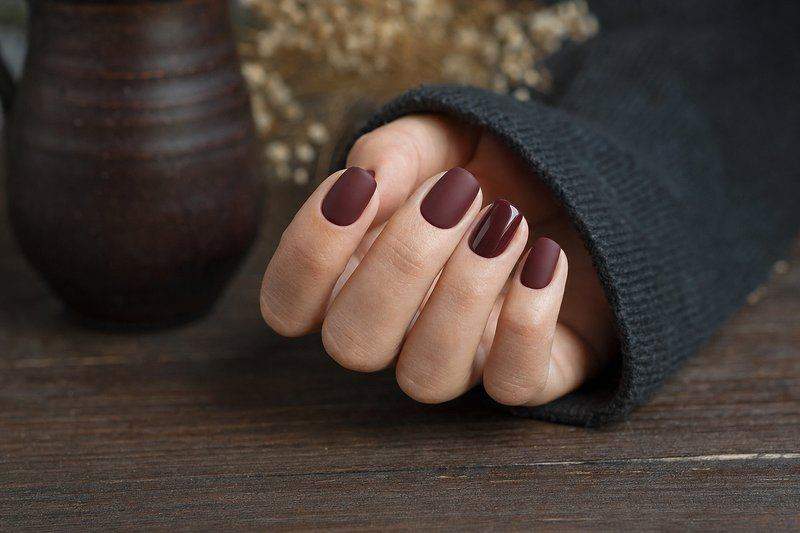
Matte nail designs get their whole look from one product swap: a matte topcoat instead of a glossy one. The color underneath can be anything from a soft neutral to a bold jewel tone, but the flat, chalky finish is what gives matte nails their distinct modern feel. This covers how matte topcoat actually works, which colors read boldest in matte, and a few simple combination techniques that mix matte and glossy on the same nail.
What Actually Makes a Manicure “Matte”
A matte topcoat contains tiny particles that scatter light unevenly across the nail surface, instead of the smooth, reflective layer a glossy topcoat creates. That’s the entire difference: the same bold polish color underneath will look completely different depending on which topcoat goes over it. Matte topcoat is applied exactly like a regular topcoat: one thin, even layer over fully dry color, left to set without touching for a few minutes.
Bold Colors That Read Especially Well in Matte
Not every color looks equally striking in matte finish. A few tend to stand out:
- Deep burgundy or oxblood, the matte finish mutes the shine that would otherwise make a dark red look almost black in certain light, keeping the true color visible
- Forest green or emerald, a bold jewel tone that reads as rich under matte finish
- True black, glossy black can look almost wet or plastic-like; matte black reads as more modern and intentional
- Deep navy, similar to burgundy, matte finish keeps a dark navy looking genuinely blue instead of shifting toward black under glossy shine
Lighter pastels tend to read as softer and slightly chalky in matte where a deep shade reads bold. The boldest matte looks generally come from deep, saturated colors over pale ones.

Simple Matte-and-Glossy Combination Designs
One of the easiest ways to make a modern matte manicure more visually interesting is combining matte and glossy finish on the same nail, with no need to choose one or the other for the whole set:
- Paint the full nail in your chosen color and let it dry completely
- Apply matte topcoat over the entire nail
- Once the matte topcoat is fully dry, apply a small amount of glossy topcoat over just a section (a stripe, a half-moon at the base, or a small geometric shape)

This only takes one extra step beyond a standard matte manicure, and it turns a single solid color into something that reads as a deliberate design and no longer a plain finish.
Matte French Tips and Other Simple Variations
A matte topcoat works over almost any existing nail design, not just a solid color:
- Matte french tips, the classic white-tip style, finished with matte topcoat instead of glossy, for a softer, more modern take on a familiar shape
- Matte over glitter, a thin layer of matte topcoat over a glitter polish mutes the sparkle into a soft, textured shimmer with none of the bright shine
- Half-matte, half-glossy nails, alternating matte and glossy finish across different nails in the same set, with neither combined on one nail
Matte Nail Art Beyond a Solid Color
Matte topcoat doesn’t limit you to a single flat color. It works over most existing nail art techniques and often gives them a different, more modern character than the same design finished glossy. A matte finish over a marbled or watercolor design softens the blend between colors, making it read as more painterly. Matte over a geometric line-art design (thin lines or triangles in a contrasting color) gives sharp shapes a slightly muted, chalkier edge that feels more graphic than a glossy version of the same lines. Even a simple two-tone color-block design, two solid colors split diagonally or down the center of the nail, looks bolder in matte, since the flat finish keeps both colors reading as equally saturated instead of one catching more shine than the other.
Common Matte Topcoat Mistakes
A few habits are responsible for most disappointing matte results. Applying matte topcoat before the color underneath is fully dry is the most common one: it traps moisture and produces a cloudy, uneven finish where a dry nail gives a clean flat one. Using too thick a layer of matte topcoat is another frequent issue, since matte formulas are generally meant to go on thin; a heavy coat can look streaky and not uniformly flat. And storing matte topcoat with the cap loose or not fully sealed dries it out faster than a regular topcoat, since the matting particles settle and thicken the formula more quickly once air gets in.
Making Matte Nails Last Without Looking Dull
Matte topcoat tends to show fingerprints and small scuffs more visibly than glossy, since there’s no shine to distract from surface texture. A few habits help it stay looking clean:
- Avoid touching wet matte topcoat, since fingerprints set into the flat finish more visibly than they would under gloss
- Reapply a thin fresh layer of matte topcoat around day 3-4 if the finish starts looking scuffed and no longer flat
- Keep hand lotion light around freshly matte-topcoated nails, since heavier lotions can occasionally leave a slight sheen on matte finish
Matte Topcoat vs. Matte Polish: What’s the Difference
Some brands sell polish that’s matte straight out of the bottle, with no separate matte topcoat needed over a regular color. Both approaches end at the same flat finish, but a separate matte topcoat is generally more flexible, since it can go over any color you already own and isn’t limited to whatever shades a specific matte-polish line offers. A dedicated matte polish can look slightly more even straight out of the bottle, since the formula is built for that finish from the start, but a good matte topcoat applied thin and even closes most of that gap in practice.
Getting the Cleanest Base for a Matte Finish
Matte topcoat is less forgiving of surface flaws than glossy, since there’s no shine to distract from small ridges, dents, or uneven color underneath. A light buff of the nail plate before polish, just enough to smooth the surface without thinning the nail itself, gives matte topcoat a flatter base to sit on. Wiping any residual oil off the nail with a bit of remover on a lint-free pad before applying color also helps the matte finish set evenly, since oil left on the nail can make it dry unevenly in small patches. Painting color in thin, even coats, never one thick one, matters more for matte than for glossy manicures too, since a lumpy color layer telegraphs straight through the flat topcoat instead of being softened by a glossy sheen the way it might be otherwise. None of this adds real time to a normal manicure routine, it just means treating the prep steps as seriously as the topcoat itself.
Matte Nails for Everyday Wear vs. Special Occasions
Matte finish tends to hold up better on nails that see less hands-on activity, since scuffing shows so visibly on the flat surface. For everyday wear, a deep, forgiving color like navy or burgundy in matte hides small scuffs better than a lighter matte shade would, since the color itself has enough depth to mask minor surface wear between topcoat refreshes. For a special occasion where the manicure only needs to look sharp for a single day or evening, a bolder or lighter matte color is a safer choice, since there’s less time for the flat finish to pick up the kind of daily wear that eventually dulls it.
Whichever color and technique you land on, the one universal rule is thin, even layers: matte topcoat rewards patience over speed far more than a glossy finish does.